BuryBoard and the strawberry
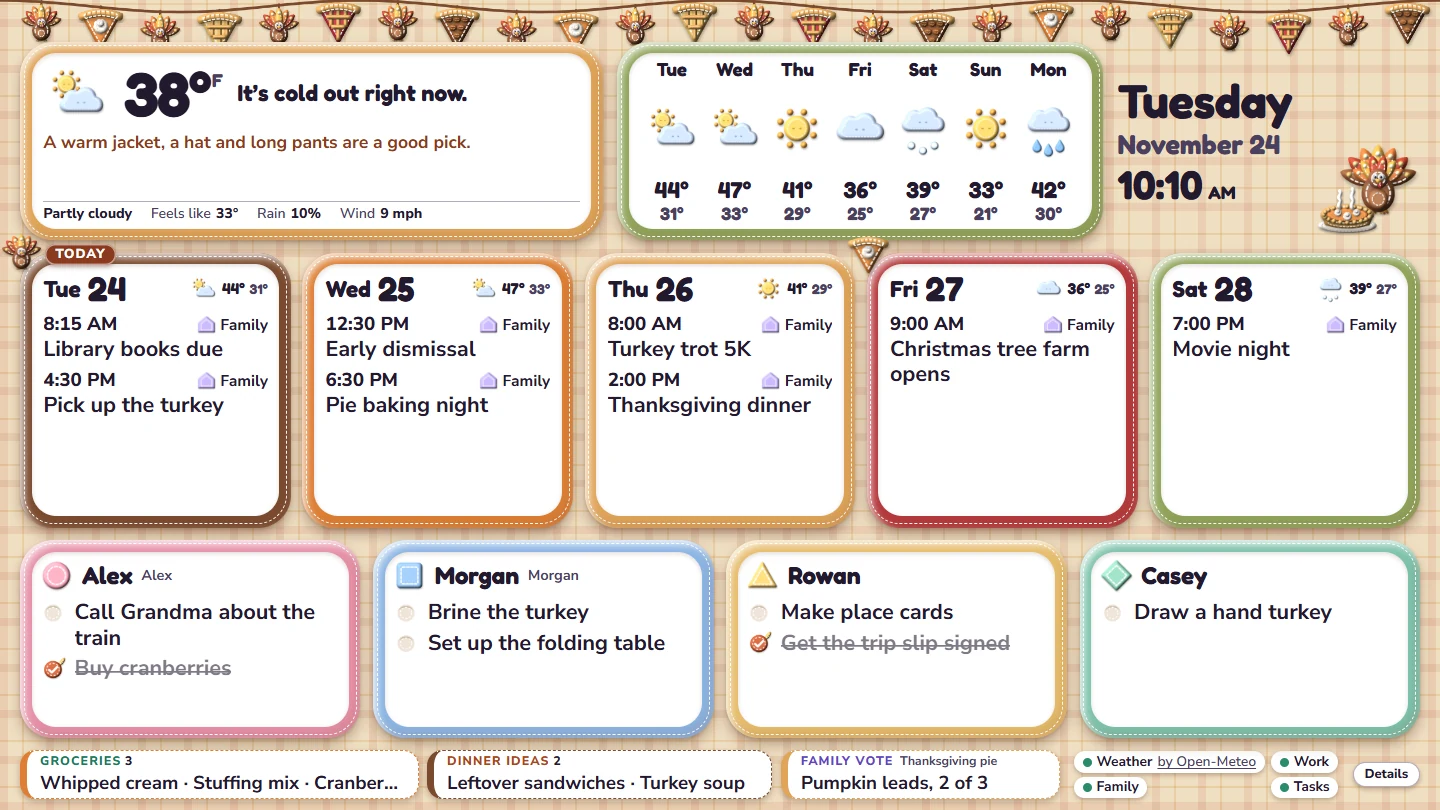
Calendars, weather and lists, dressed as a pillow fort, a lantern-lit street and eight holiday styles. Berry adds voice requests, clear confirmations and an explorable learning library on a repurposed Pixel.
No reading required. Nearly everything on this page opens something you can play with. I built all of it by directing AI agents, then testing the results until I trusted them.
Calendars, weather and lists, dressed as a pillow fort, a lantern-lit street and eight holiday styles. Berry adds voice requests, clear confirmations and an explorable learning library on a repurposed Pixel.
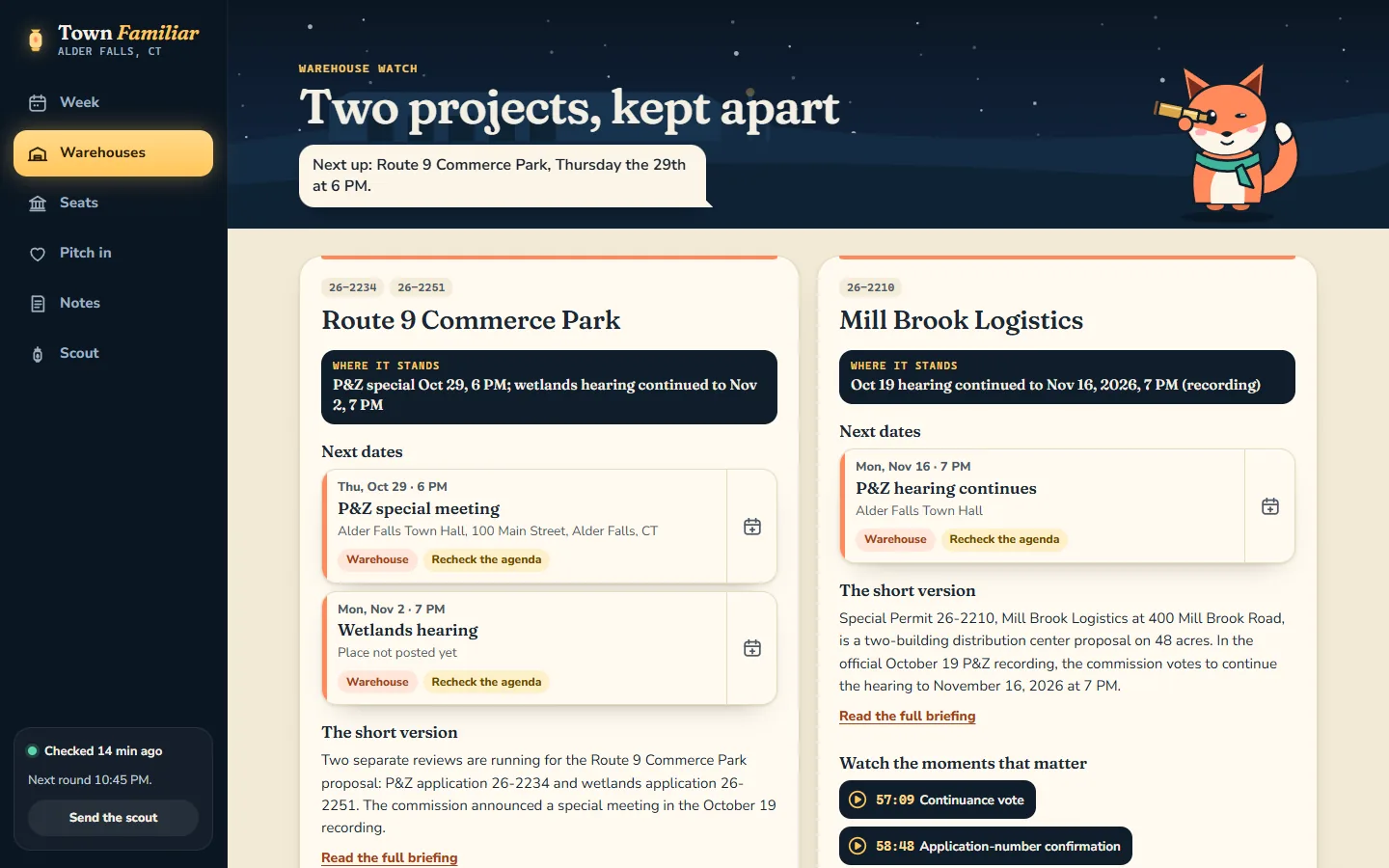
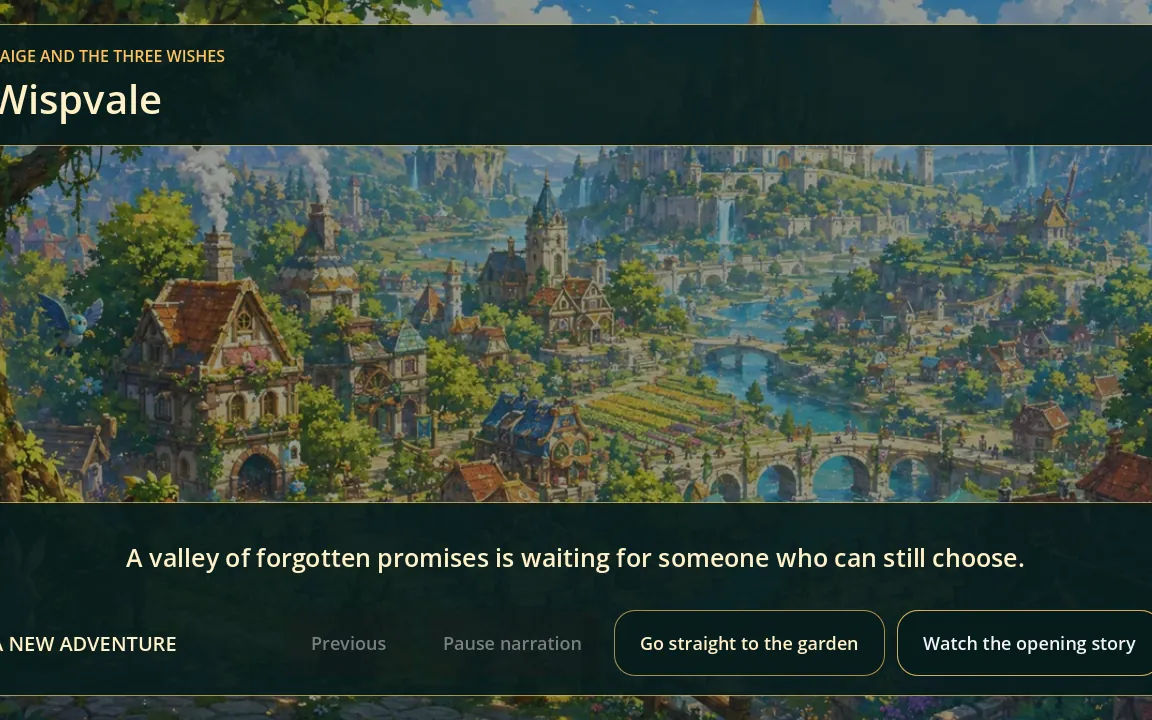
A fox with a lantern reads the town’s boards, packets and volunteer pages, then tells me where to show up.
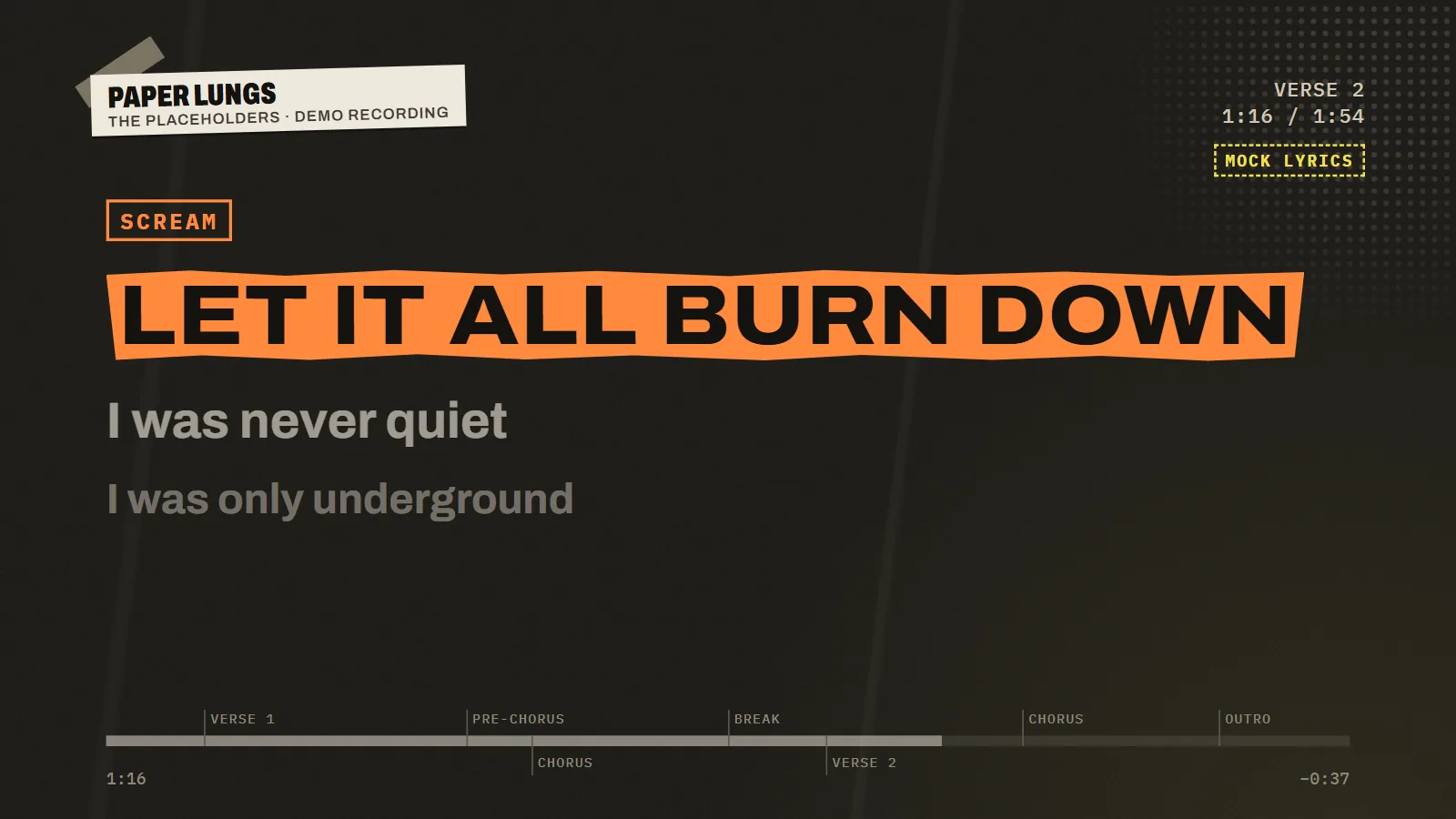
Any song I own, minus the singer, on a TV screen that looks like a show flyer. Screams get their own color.
A research library for 80s arcade-carpet patterns that spiraled into a free pattern studio. On day two I caught it remaking a famous textile. By September it was making Cricut cut files. The whole arc, dead ends included.

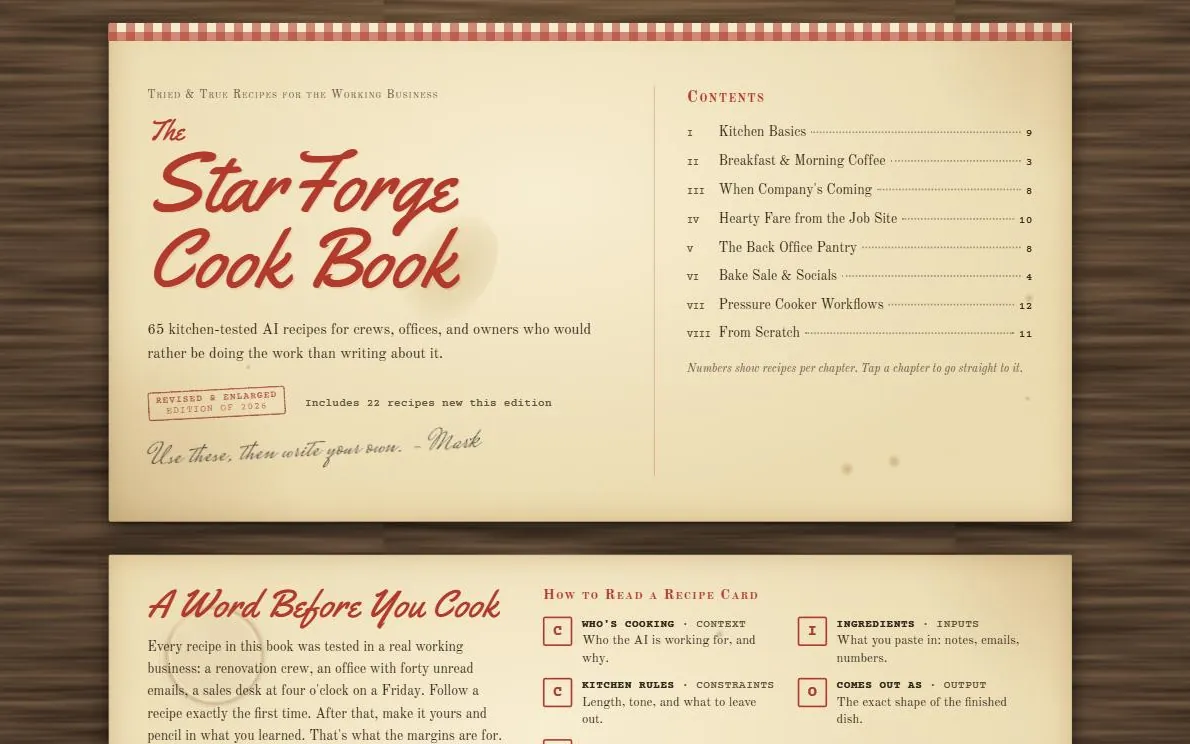
65 AI recipes for crews, offices, and owners who would rather be doing the work than writing about it, laid out like a 1950s recipe box. Every card has the same five parts: who the AI is working for, what goes in, the rules, the shape of the result, and a person who checks it before anyone eats.

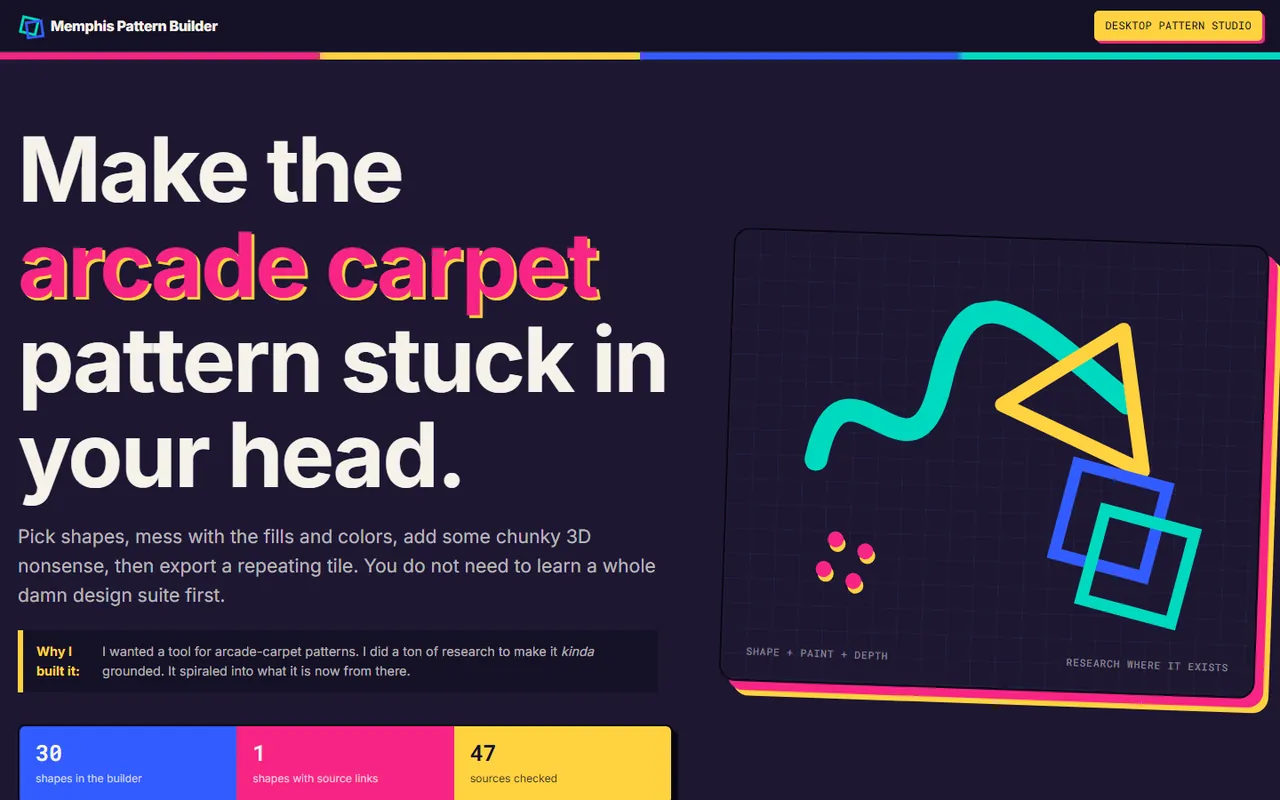
A pattern studio for 80s arcade carpet. Hit Generate until something clicks, build it one shape at a time in Guided, or open Studio for every control. 30 shapes, 17 palettes, and exports all the way to a Cricut cut file sorted by vinyl color. I wanted one. It spiraled.
Open it →
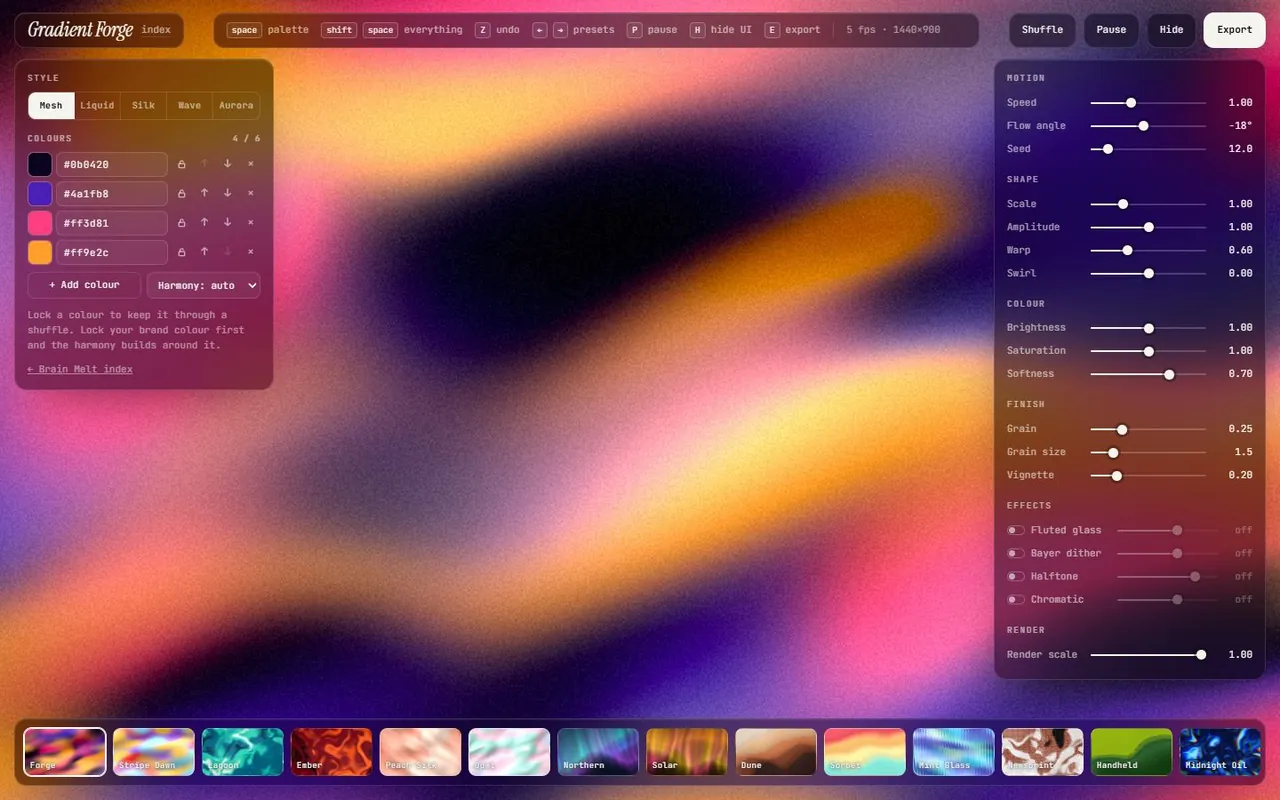
An animated gradient studio. Press space for a new palette, tune it, then copy a snippet that runs on any page.
Open it →
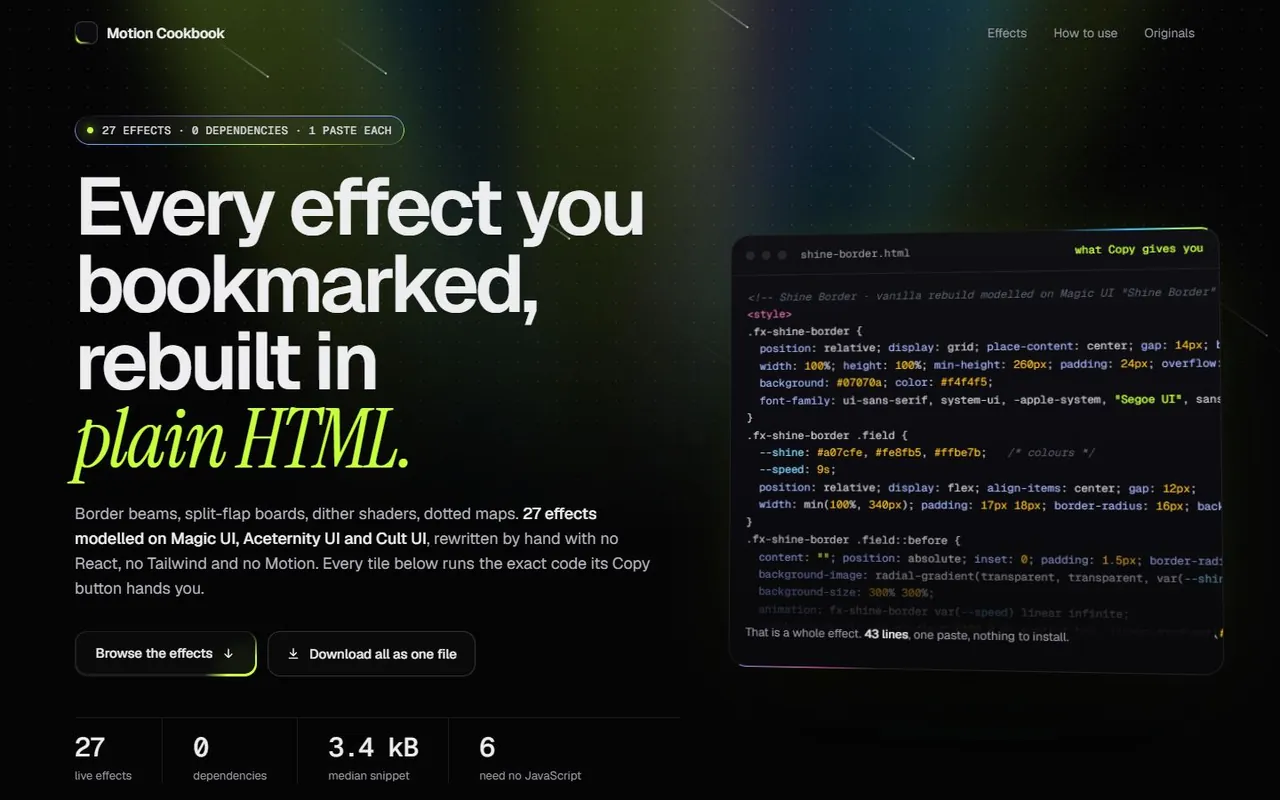
27 animated effects rebuilt in plain HTML. Every tile runs the exact code its Copy button hands you.
Open it →
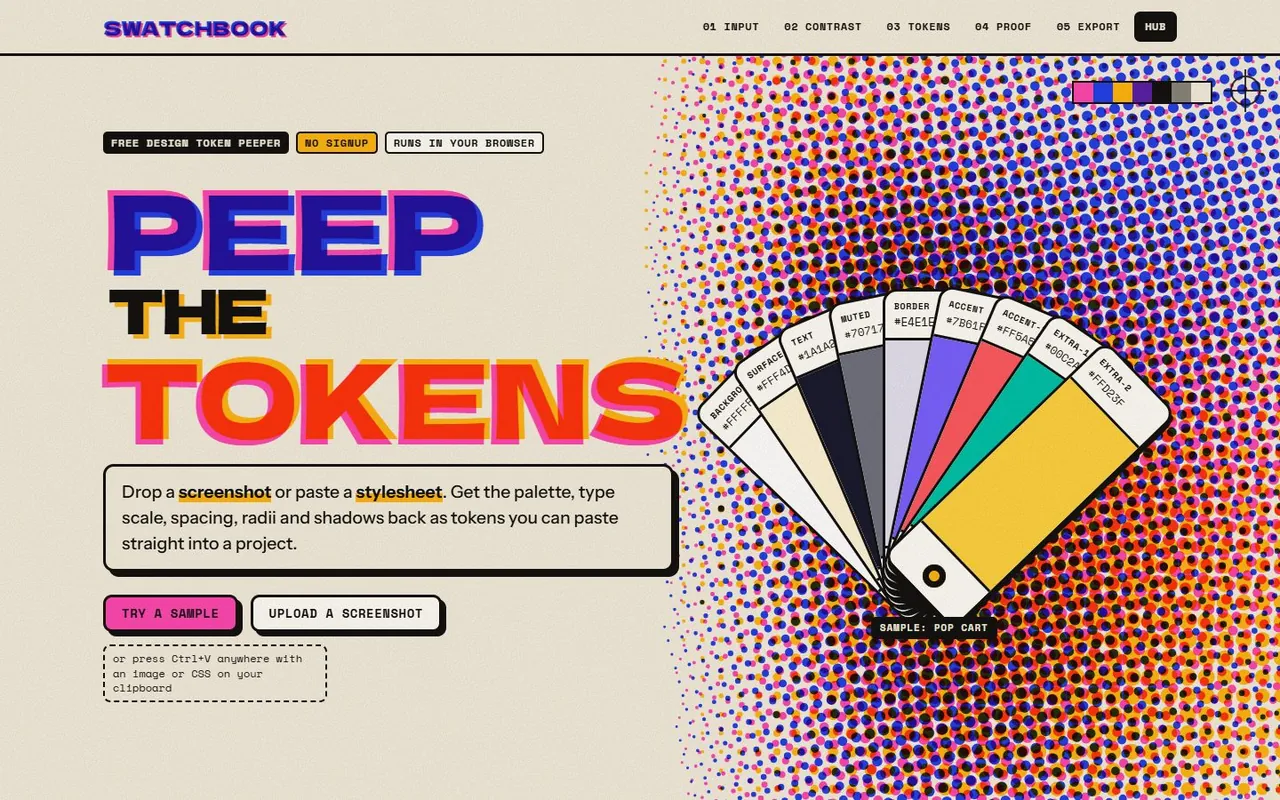
Drop a screenshot or paste a stylesheet. Get the colors, type, and spacing back as tokens you can paste into a project.
Open it →
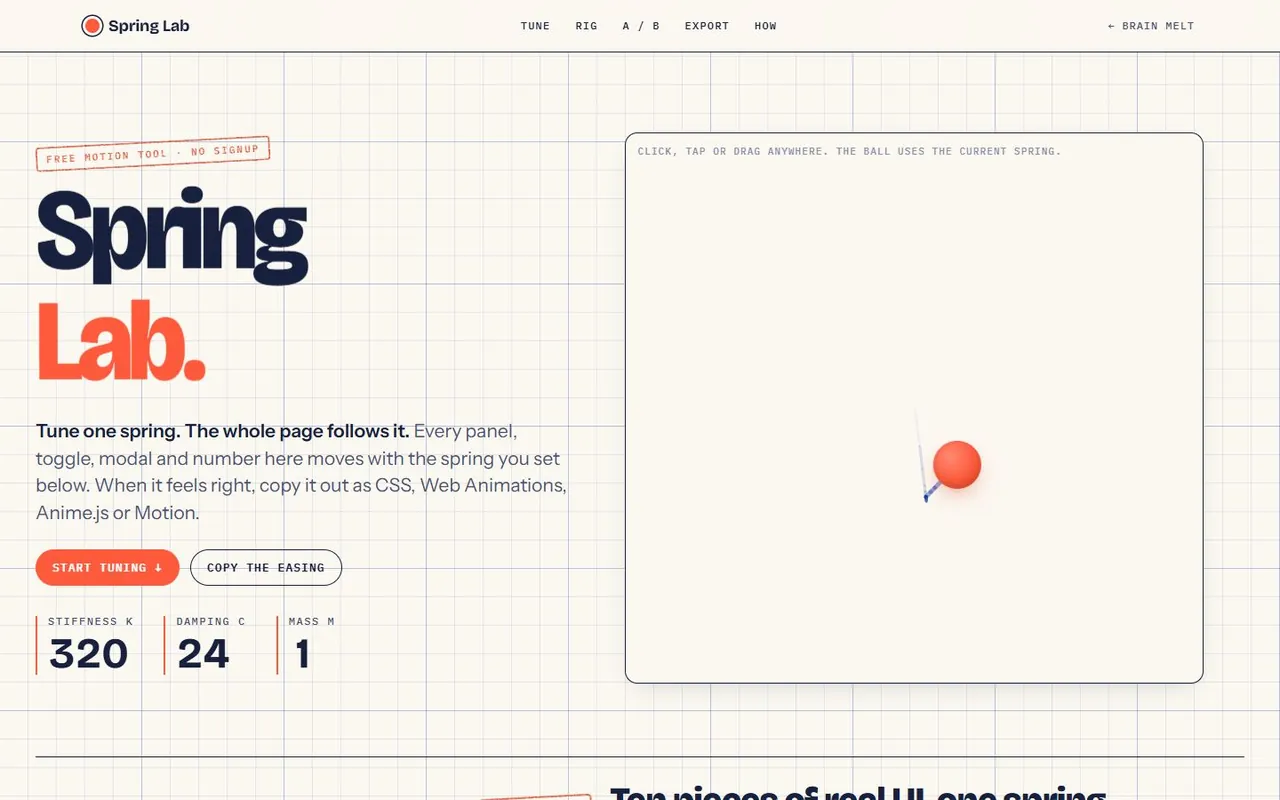
Tune one spring and the whole page moves with it. Copy the easing out as CSS, Web Animations, Anime.js or Motion.
Open it →
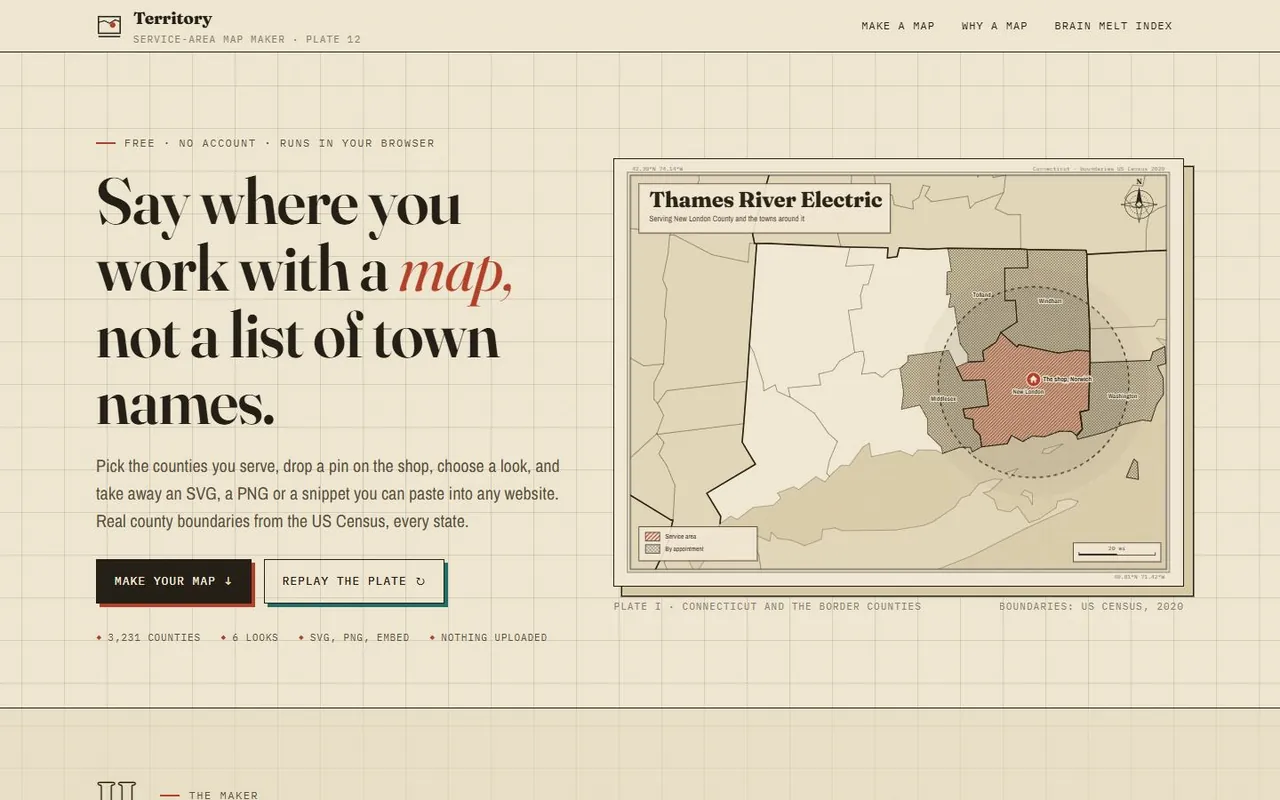
A service-area map maker for local businesses. Paint the counties you serve, drop a pin, pick a look, take away an SVG, a PNG or an embed.
Open it →
A type foundry that does not exist, with a variable font tester that does. Slide the axes, then copy the CSS.
Open it →
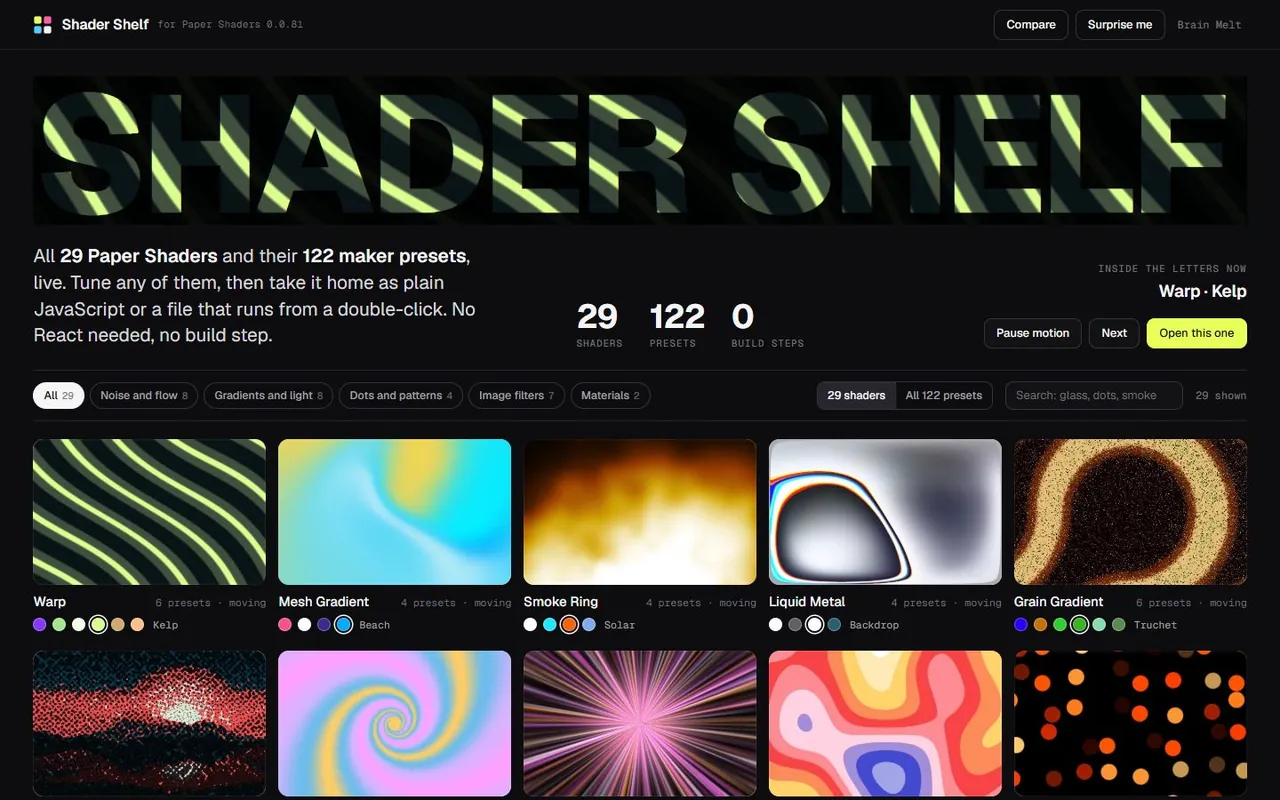
All 29 Paper Shaders and their 122 presets, live. Tune one, then take it home as plain JavaScript or a file that runs from a double-click.
Open it →
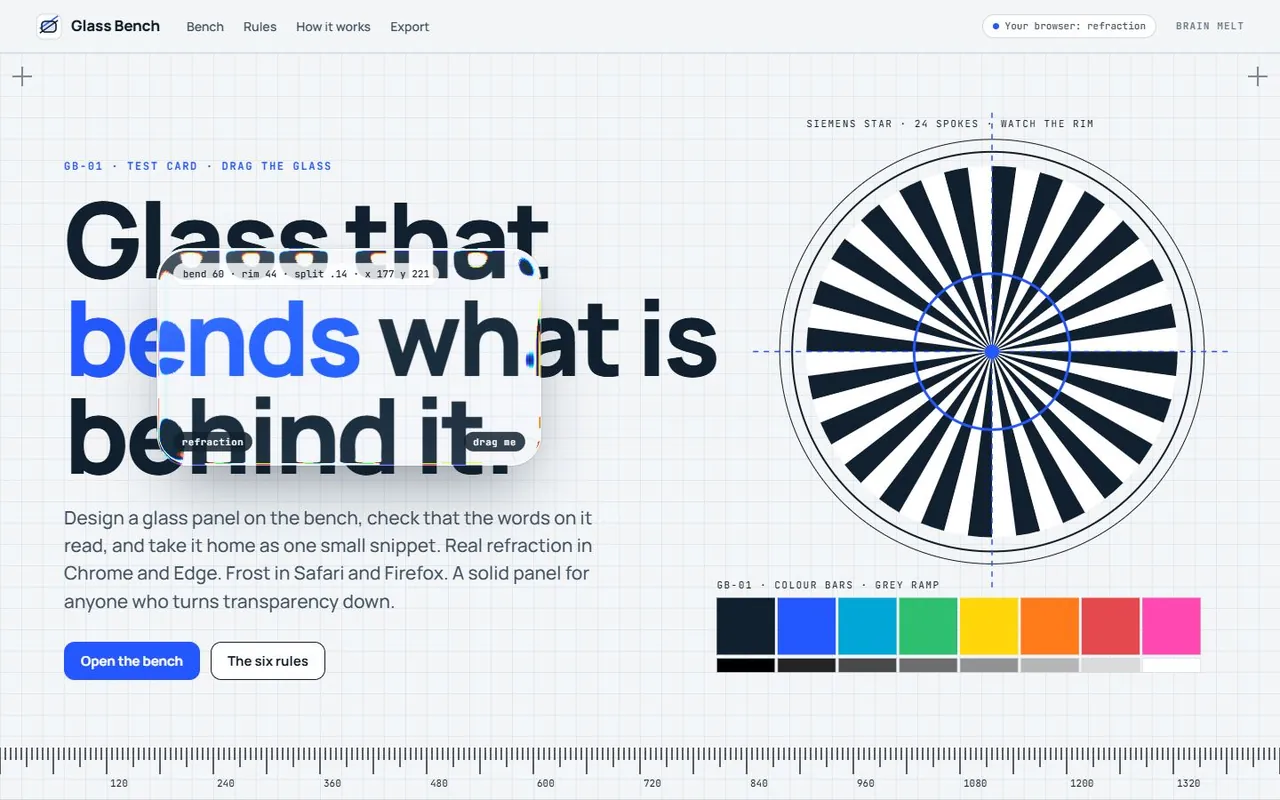
Design a glass panel that bends what is behind it, check the words on it still read, and copy a snippet that falls back to frost in Safari and Firefox.
Open it →A game with five bosses finds the limits of an AI workflow faster than any slide deck. Each one gets its own look, and each one gets tested like it matters.

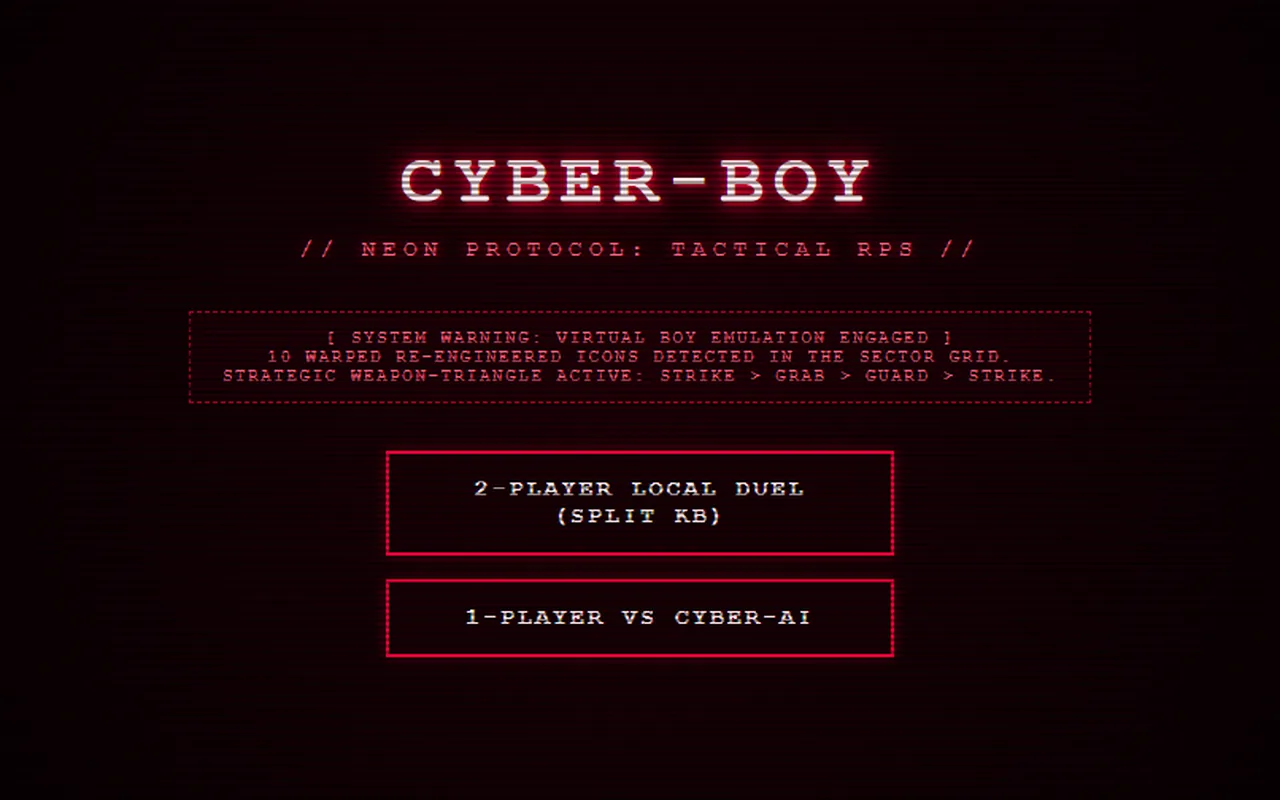
A tactical rock-paper-scissors fighter in glorious headache red. Strike beats grab, grab beats guard, guard beats strike, and both players lock in at the same time. Ten fighters. Play a friend on one keyboard or take on the AI.

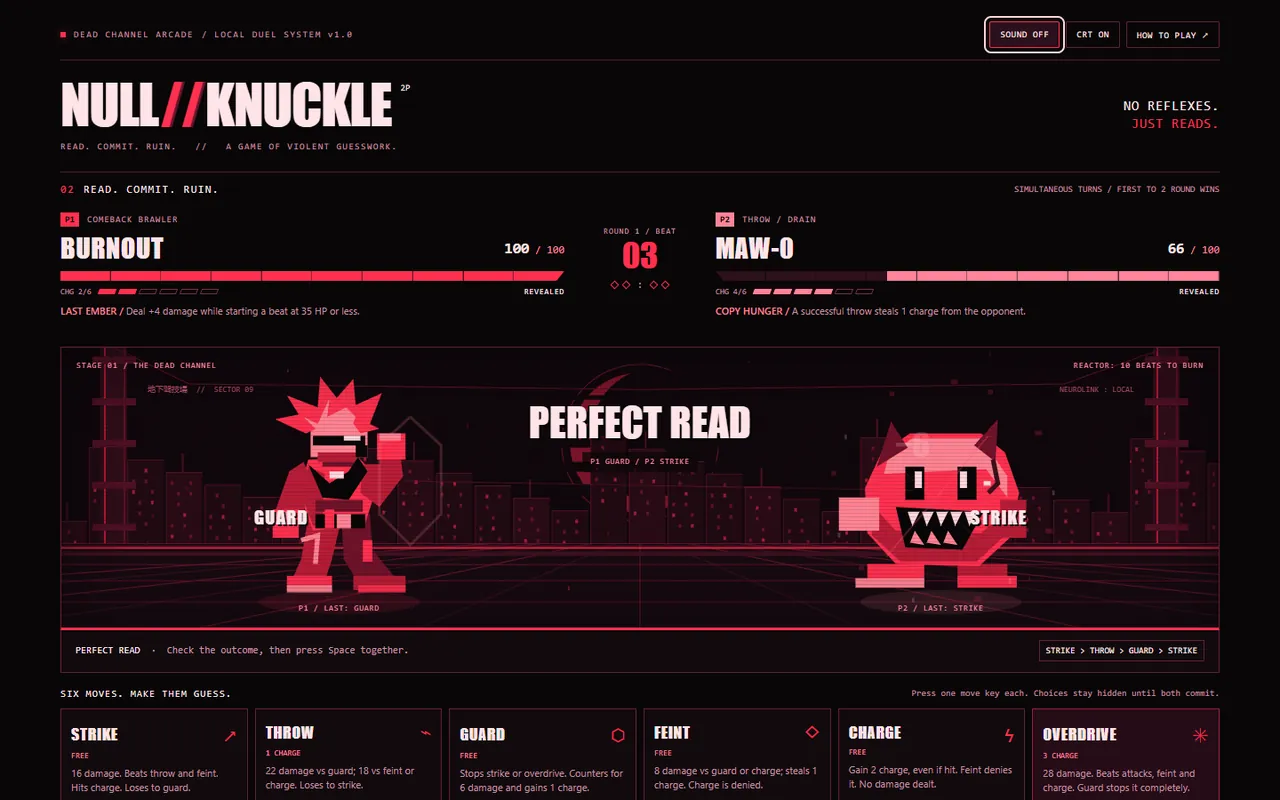
Read. Commit. Ruin. A two-player fighter about guessing what the other person will do. 46,806 matchup scenarios checked. Balance still needs real playtesting.
Play it now →
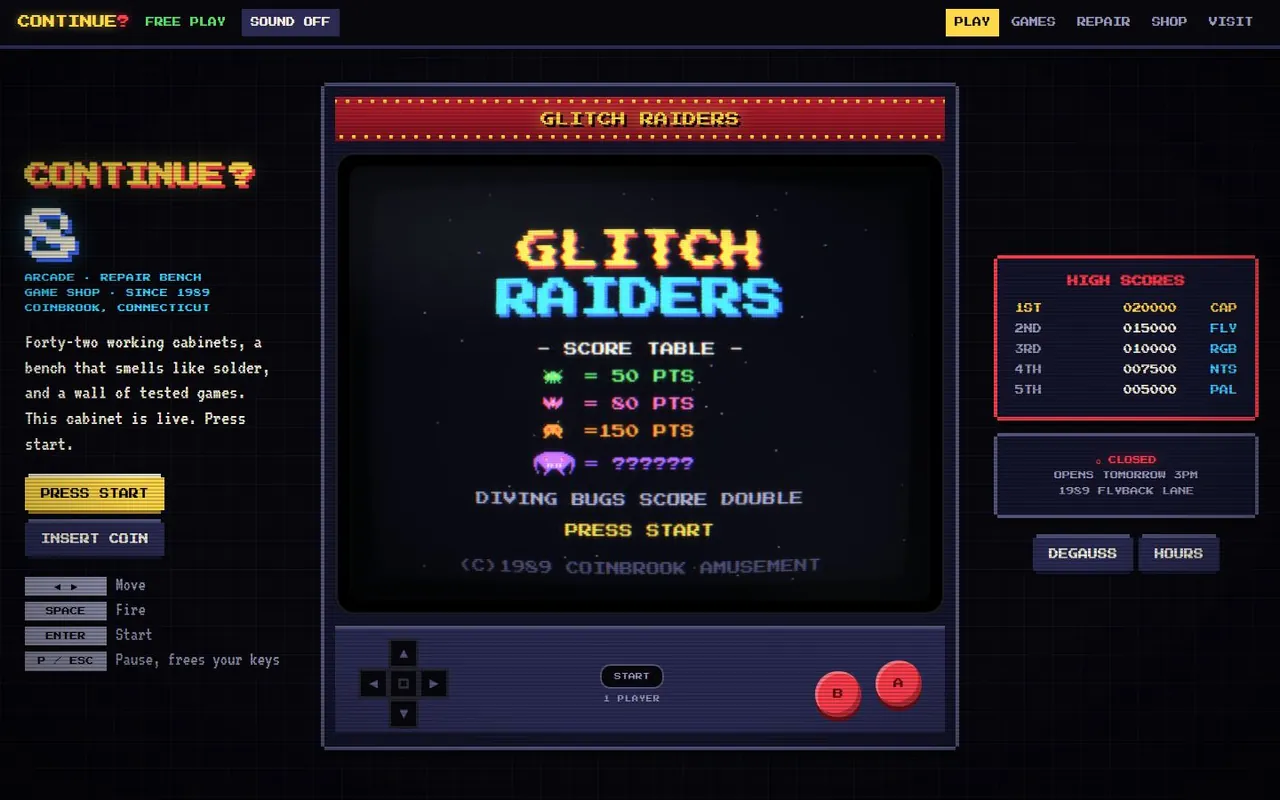
A complete arcade shooter living inside a fake arcade’s website. Curved CRT glass, high scores, and one famous cheat code.
Insert coin →
A warm top-down fantasy adventure in a single offline file. 56 maps, 30 main quests, five bosses, and 15,051 engine and content checks passing. The multi-hour playtime is a design target, not a measured claim.

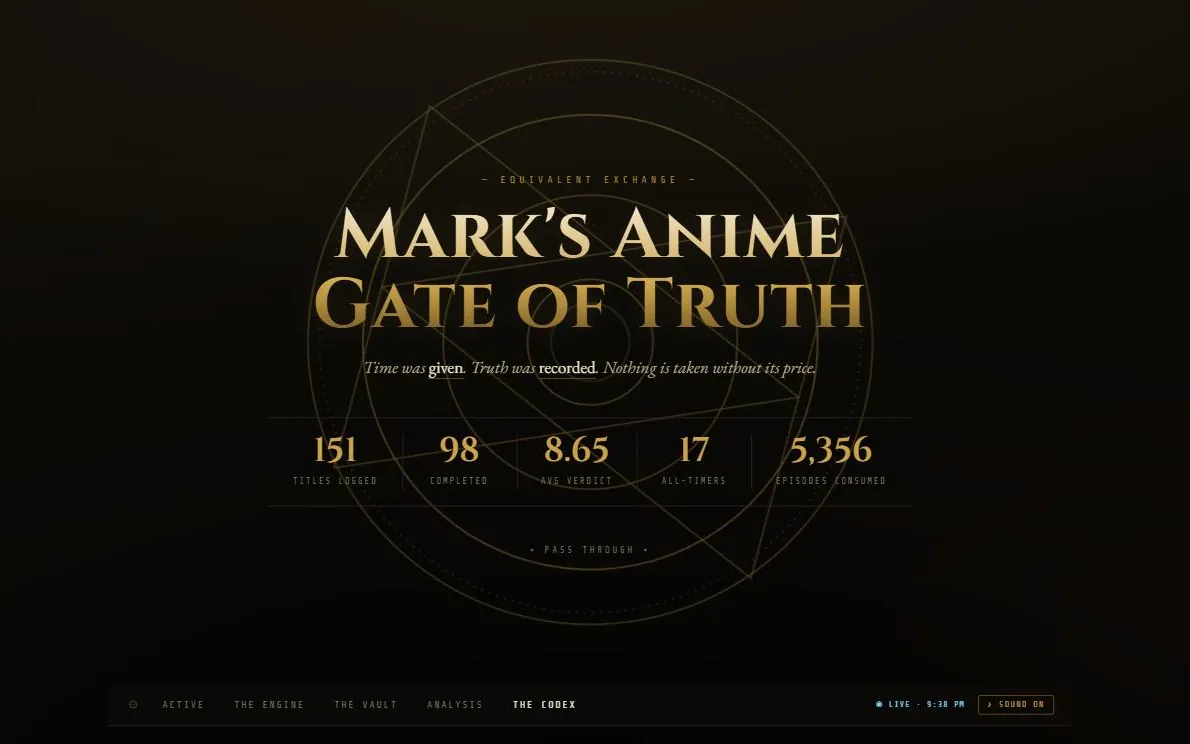
My anime watch history as a game system. Stats, tiers, and a notification that says new seasons have “materialized.” Useful to exactly one person.
Enter →
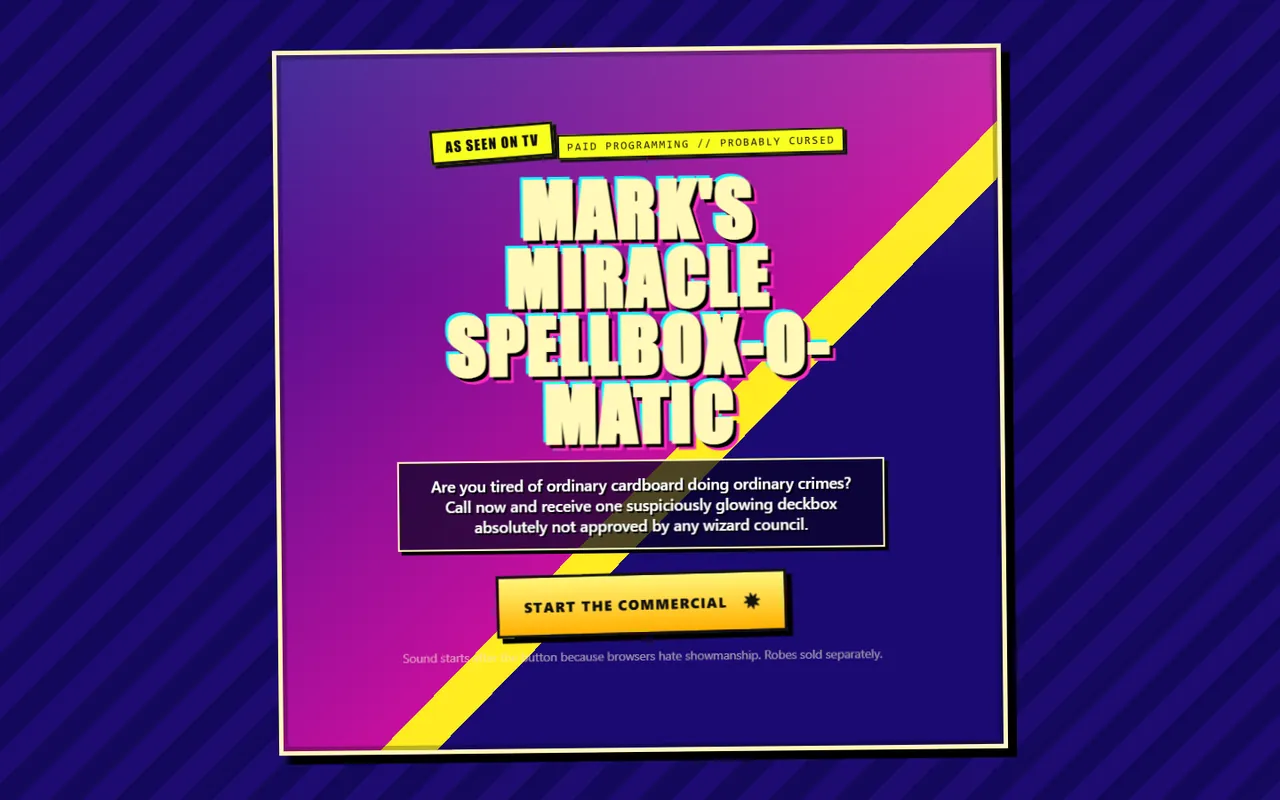
A late-night infomercial for a suspiciously glowing deck box. Absolutely not approved by any wizard council. Sound on.
Start the commercial →Short versions. The Dream Machine’s full write-up is its own Manual. The rest, with how each one was tested, are on the work page.
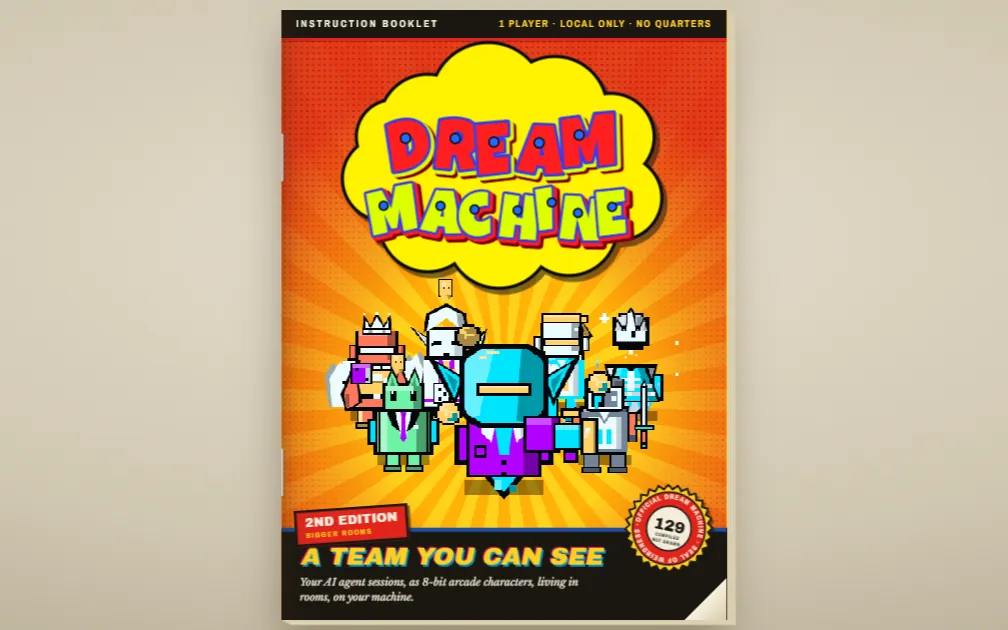
My AI team, as 8-bit arcade characters. TeamLoop Live is a local, read-only display where every agent session (Codex, Claude Code, the TeamLoop reviewers) gets its own little character in a pixel-art arcade room. There are no sprite files. Each one compiles from a DNA recipe.
The case study is The Manual, the NES-style instruction booklet it would have shipped with, now in its second edition with every room rebuilt bigger. Flip to Character Select, type any name, and the machine builds you somebody new.
Watch a job route through a small AI team. Sometimes the right team is nobody.
Run it →
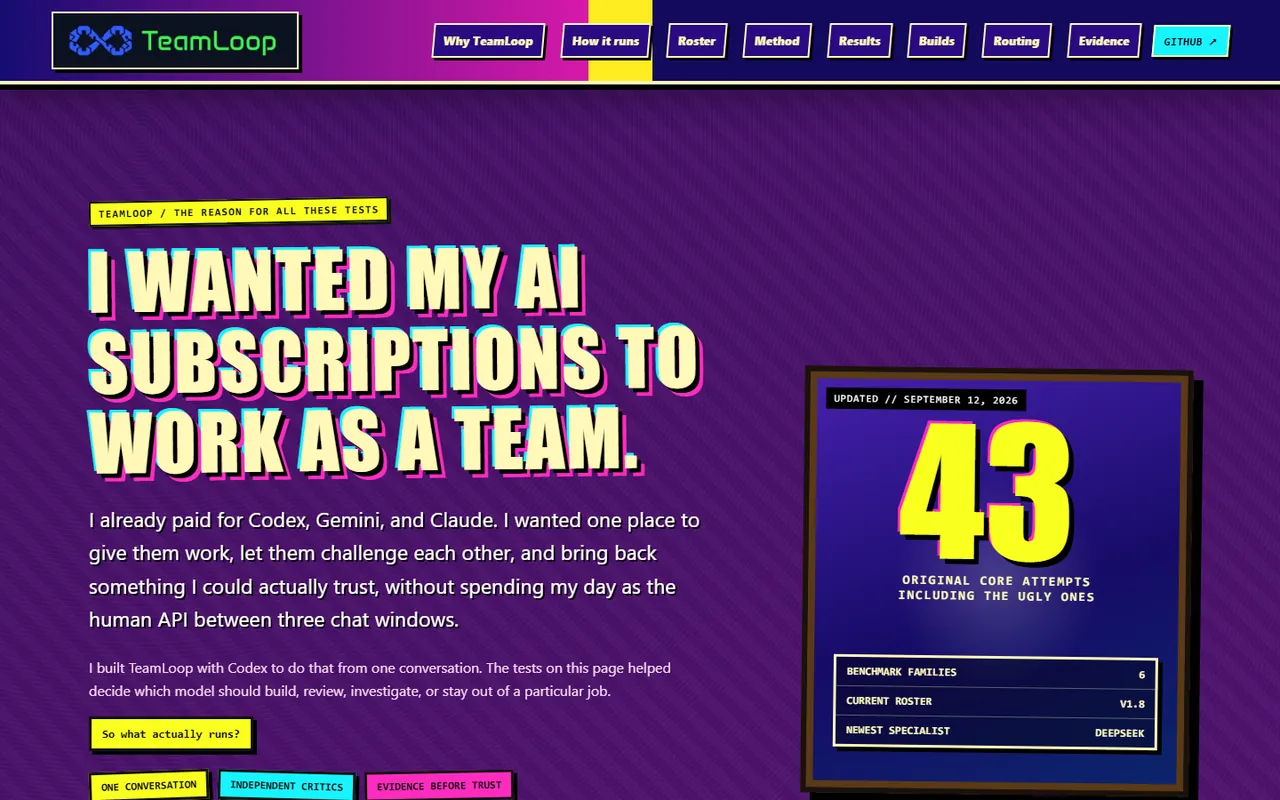
My open-source toolkit for running several AI subscriptions as one small, accountable team. Zero runtime dependencies.

Every model I pay for, the same frozen tasks, and the builds they actually produced.
Open the field notes →
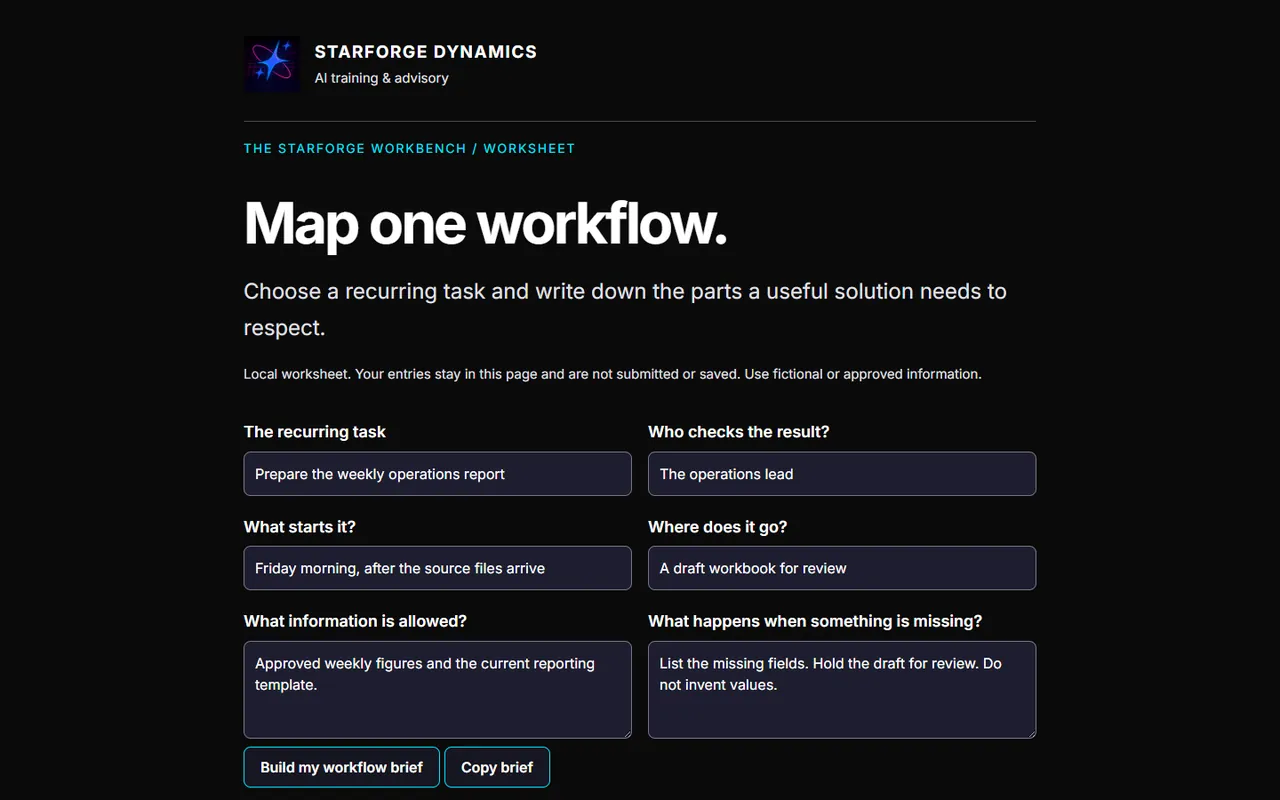
My company site. The workflow demos run in the page, with sample data.
Visit →
Small browser exercises that make one point each, so a room can poke the idea instead of nodding at a slide. All three run on this site.
Open the set →
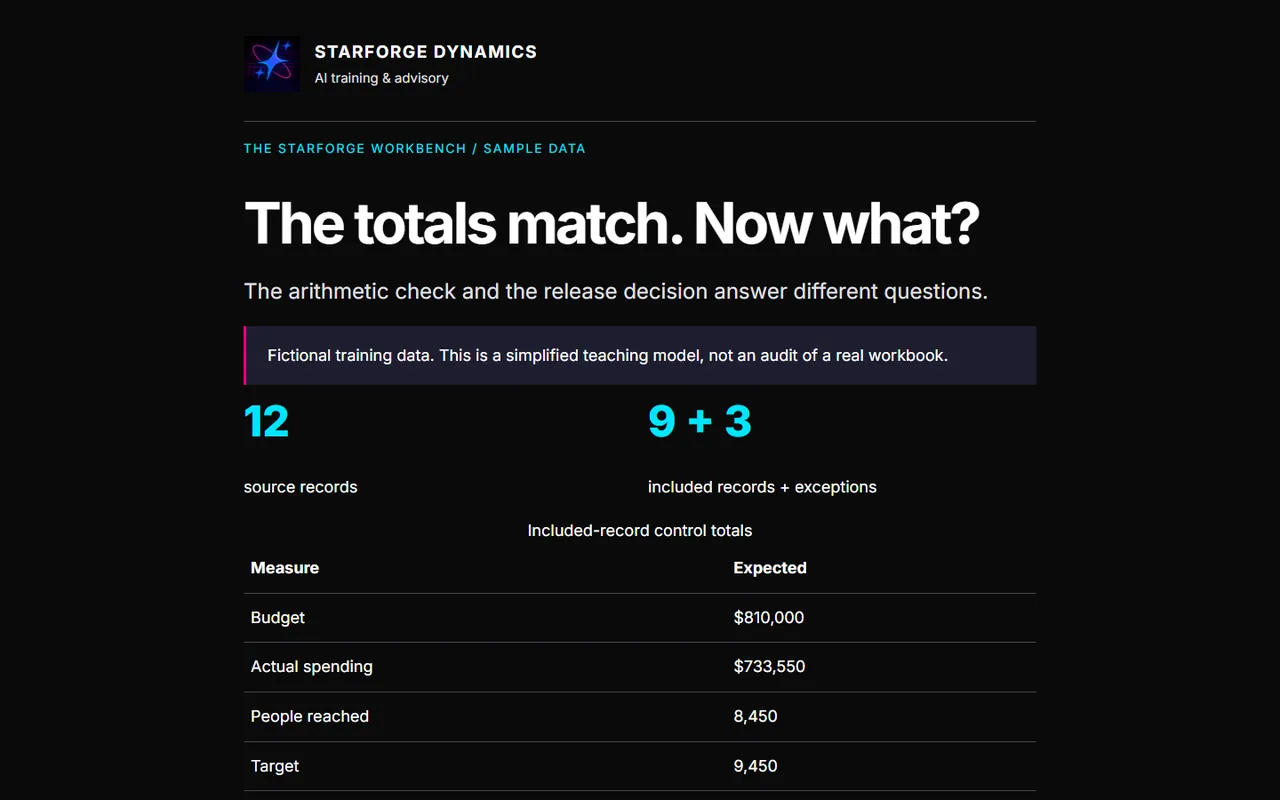
The arithmetic says PASS and the release decision says HOLD. A short note on why both are right.
Read the note →